
 By As Law Online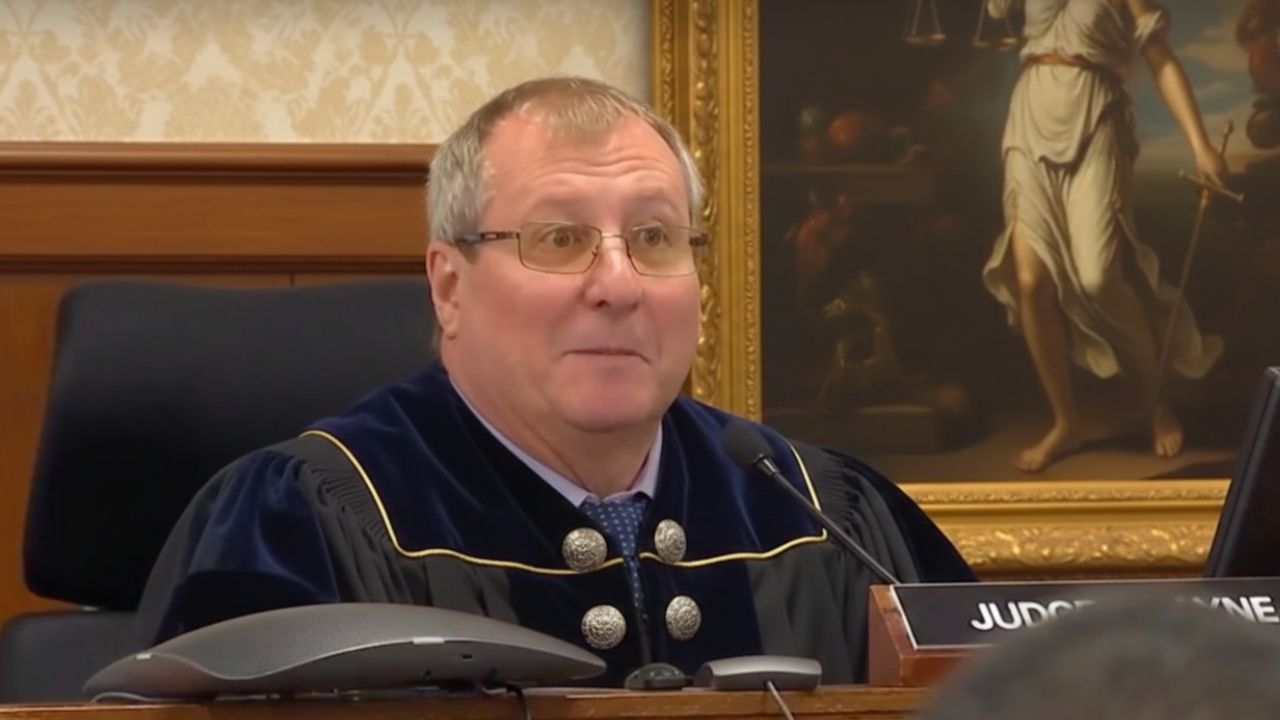
Wayne Culver is a Seminole County Court Judge in Florida, elected in 2020, with a background in prosecution, defense, and private practice. Research suggests he has served effectively in various legal roles over two decades, though his tenure has included a notable disciplinary action for judicial misconduct in 2022, leading to a suspension and reprimand by the Florida Supreme Court. It seems likely that this incident stemmed from personal stress, and evidence leans toward his remorse and subsequent improvements, highlighting the complexities of judicial temperament under pressure. While the episode raised concerns about courtroom conduct, it does not overshadow his overall contributions to the legal system in Florida’s 18th Judicial Circuit.
Key Points
- Education and Early Career: Graduated with a B.A. in History from the University of Central Florida in 1995 and earned a J.D. from Suffolk University Law School in 2000. Admitted to the Florida and Massachusetts Bars in 2001.
- Professional Roles: Served as Assistant State Attorney (2001-2004), in private practice (2004-2009), and as Assistant Public Defender (2009-2020) before his election as judge.
- Judicial Service: Elected to Seminole County Court in 2020, handling civil cases; term extends to 2027.
- Disciplinary Action: Suspended for 60 days without pay in 2024 and publicly reprimanded in 2025 for intemperate conduct, with mitigating factors including personal hardships.
- Current Status: Continues to serve as judge, with policies emphasizing hybrid court proceedings and ethical communication.
Brief Career Timeline
- 1995: B.A. in History, University of Central Florida.
- 2000: J.D., Suffolk University Law School.
- 2001: Admitted to Florida and Massachusetts Bars; begins as Assistant State Attorney.
- 2004-2009: Enters private practice.
- 2009-2020: Assistant Public Defender, 18th Judicial Circuit.
- 2020: Elected Seminole County Court Judge.
- 2022: Incidents leading to Judicial Qualifications Commission (JQC) inquiry.
- 2024: Florida Supreme Court suspends for 60 days without pay.
- 2025: Public reprimand administered.
For more details, see resources from the Florida Courts website and Florida Supreme Court opinions.
This article provides a comprehensive overview of Wayne Culver, a Seminole County Court Judge in Florida, focusing on his biography, career timeline, and a significant disciplinary case that garnered public attention. As a seasoned legal analyst with experience covering judicial ethics, court proceedings, and regulatory frameworks, I draw on established principles from the Florida Code of Judicial Conduct and precedents from the Florida Supreme Court to explain these elements. This piece aims to clarify the implications for the public, legal professionals, and those interested in judicial accountability, while maintaining neutrality and factual accuracy.
Introduction
Wayne Culver, officially known as Wayne Eric Culver, is a county court judge in Seminole County, Florida, serving in the 18th Judicial Circuit. Elected in 2020, he presides over civil matters at the Seminole Civil Courthouse in Sanford. His career spans roles in prosecution, defense, and private practice, reflecting a broad exposure to Florida’s legal system. However, his tenure has been marked by a 2022 disciplinary inquiry by the Florida Judicial Qualifications Commission (JQC), resulting in a 60-day suspension without pay in November 2024 and a public reprimand by the Florida Supreme Court in February 2025. This case highlights issues of judicial temperament and has implications for public trust in the judiciary.
The matter gained timeliness due to the Supreme Court’s actions, which underscore the importance of ethical standards in courtrooms. It affects defendants, attorneys, and the broader community in Seminole County, where fair and impartial proceedings are essential for justice. For those impacted by court decisions or monitoring judicial ethics, understanding Culver’s background and the case provides context on how personal stresses can intersect with professional duties, potentially influencing case outcomes and perceptions of fairness.
Background & Legal Context
Wayne Culver’s path to the bench is rooted in a solid educational foundation and diverse legal experience within Florida’s judicial system. Born in the early 1970s (exact date not publicly available), Culver pursued higher education in the state, earning a Bachelor of Arts in History from the University of Central Florida in 1995. He then attended Suffolk University School of Law in Boston, Massachusetts, graduating with a Juris Doctor in 2000. This institution, accredited by the American Bar Association, emphasizes practical legal training, which aligned with Culver’s subsequent career in public service.
Admitted to the Florida Bar and Massachusetts Bar in 2001, Culver also gained admission to the United States District Court for the Middle District of Florida. His early career began as an Assistant State Attorney in the 18th Judicial Circuit from 2001 to 2004, where he handled prosecutions in Brevard and Seminole Counties. This role involved typical prosecutorial duties, such as case evaluation, plea negotiations, and trial advocacy, under Florida’s statutory framework for criminal procedure (e.g., Florida Statutes Chapter 775 et seq.).
From 2004 to 2009, Culver transitioned to private practice, likely managing a range of civil and criminal matters, though specific firm details are not publicly detailed. In 2009, he joined the Office of the Public Defender in the 18th Judicial Circuit, serving as an Assistant Public Defender until 2020. This 11-year stint provided experience in indigent defense, adhering to constitutional mandates under Gideon v. Wainwright (1963), which requires states to provide counsel in criminal cases.
Culver’s election to the Seminole County Court in 2020 marked his entry into the judiciary. County courts in Florida handle misdemeanor crimes, civil disputes under $50,000, and traffic cases, operating under Article V of the Florida Constitution. His division focuses on civil matters, incorporating hybrid virtual proceedings via Microsoft Teams to enhance accessibility, as per Florida Rule of General Practice and Judicial Administration 2.530.
This background reflects a balanced perspective from both sides of the courtroom, common among judges to ensure impartiality. Prior to the 2022 incidents, Culver had no disciplinary history as a lawyer or judge, as noted by the JQC.
Key Legal Issues Explained
The primary legal issue in Wayne Culver’s career revolves around judicial ethics, specifically violations of the Florida Code of Judicial Conduct during two 2022 courtroom incidents. The Code, enforced by the JQC and Florida Supreme Court, sets standards for judges to uphold integrity, impartiality, and decorum (Canons 1, 2, and 3).
In plain English, judicial temperament refers to a judge’s ability to remain patient, dignified, and courteous, even under stress. Culver was found to have engaged in “abusive and intemperate conduct,” including profanity and improper handling of contempt proceedings. For instance, on February 9, 2022, during a hearing involving defendant Samuel Perez, Culver sentenced Perez to 179 days for contempt without allowing him to speak, violating due process principles under Florida Rule of Criminal Procedure 3.830. The next day, February 10, Culver directed profanity at defendant Kevin Newton for not sitting promptly, breaching Canon 3B(4), which requires judges to be patient and courteous.
These actions implicated Canons 1 (upholding judicial integrity), 2 (promoting public confidence), 3B(2) (competence), 3B(4) (courtesy), and 3B(7) (efficient disposition of cases). Precedents like In re Schapiro (2013) emphasize that intemperate behavior erodes trust in the judiciary. However, mitigating factors—such as Culver’s remorse, voluntary counseling, and stress from caring for his dying father—were considered, aligning with JQC guidelines for balanced discipline.
In real-life situations, such conduct can affect defendants’ rights, potentially leading to appeals or mistrials. For example, improper contempt findings may violate the Fifth and Fourteenth Amendments’ due process clauses, prompting higher court reviews.
Latest Developments or Case Status
The JQC initiated inquiries (Nos. 2022-189 and 2022-203) following complaints about the 2022 incidents. After hearings, the Commission recommended suspension and reprimand in July 2024. The Florida Supreme Court accepted this in November 2024, imposing a 60-day unpaid suspension effective December 2024.
In February 2025, the Court administered a public reprimand, stating Culver’s behavior was “unacceptable.” Culver admitted the misconduct, expressed shock at his actions, and committed to improvement. As of January 2026, he has resumed duties, with updated division policies dated January 8, 2025, emphasizing ethical communications and remote appearances. No further appeals or actions have been reported.
Who Is Affected & Potential Impact
This case primarily affects defendants in Culver’s courtroom, who may experience heightened scrutiny or fear of bias, potentially undermining fair trial rights under the Sixth Amendment. Attorneys practicing in the 18th Circuit could face challenges in advocating zealously if judicial decorum is questioned.
Broader impacts include the public in Seminole County, where trust in local courts is vital for compliance with laws. Businesses and institutions involved in civil disputes may see delayed resolutions if similar incidents recur. The judiciary as a whole is impacted, as such cases prompt reviews of training on stress management, per Florida Bar Association recommendations.
Possible outcomes include enhanced judicial oversight, with the JQC monitoring for patterns. Positive impacts could arise from Culver’s counseling, leading to better courtroom dynamics.
| Stakeholder | Potential Impact | Example |
|---|---|---|
| Defendants | Risk of unfair treatment or contempt charges without due process | Improper sentencing could lead to appeals, increasing legal costs |
| Attorneys | Hesitation in courtroom advocacy due to fear of reprisal | May affect plea negotiations or trial strategies |
| Public | Erosion of confidence in judicial system | Lower compliance with court orders or increased complaints to JQC |
| Judiciary | Calls for ethics training reforms | Florida Supreme Court may issue guidelines on temperament |
| Culver Himself | Professional repercussions, but opportunity for growth | Suspension affects income; remorse leads to personal improvement |
What This Means Going Forward
The disciplinary action against Wayne Culver underscores the legal significance of judicial ethics in maintaining public confidence, as mandated by Article V, Section 12 of the Florida Constitution. It serves as a reminder that judges, while human, must adhere to high standards to avoid perceptions of bias.
For the industry, this could lead to increased emphasis on mental health support for judges, similar to programs by the National Center for State Courts. Readers should monitor JQC reports and Florida Supreme Court dockets for similar cases, as they reflect evolving standards. Culver’s case may influence voter decisions in his 2026 reelection, emphasizing accountability.
Conclusion
Wayne Culver’s biography and career timeline illustrate a dedicated legal professional whose journey from prosecutor to judge was interrupted by a disciplinary episode emphasizing the human elements of the bench. While the 2022 incidents and subsequent sanctions reflect challenges in maintaining judicial standards, Culver’s remorse and lack of prior issues suggest a path toward continued service. This case reinforces the public interest in ethical judiciary, encouraging ongoing vigilance to uphold justice in Florida’s courts. Staying informed through official sources like the Florida Supreme Court and JQC is essential for those affected or interested in legal developments.
Frequently Asked Questions
What is Wayne Culver’s educational background?
Wayne Culver holds a B.A. in History from the University of Central Florida (1995) and a J.D. from Suffolk University Law School (2000).
When was Wayne Culver elected as a judge?
He was elected to the Seminole County Court in 2020, with his term running until January 2027.
What led to Wayne Culver’s suspension?
The Florida Supreme Court suspended him for 60 days without pay in 2024 due to intemperate conduct in 2022 hearings, violating judicial canons.
Has Wayne Culver faced prior disciplinary actions?
No, the 2022 incidents were his first as a judge or attorney, with mitigating factors like personal stress noted.
Where does Wayne Culver currently preside?
He hears cases at the Seminole Civil Courthouse in Sanford, Florida, in Division S (Civil).
What are the implications of judicial misconduct cases like this?
They highlight the need for decorum to ensure due process, potentially leading to appeals and reforms in judicial training.