
 By As Law Online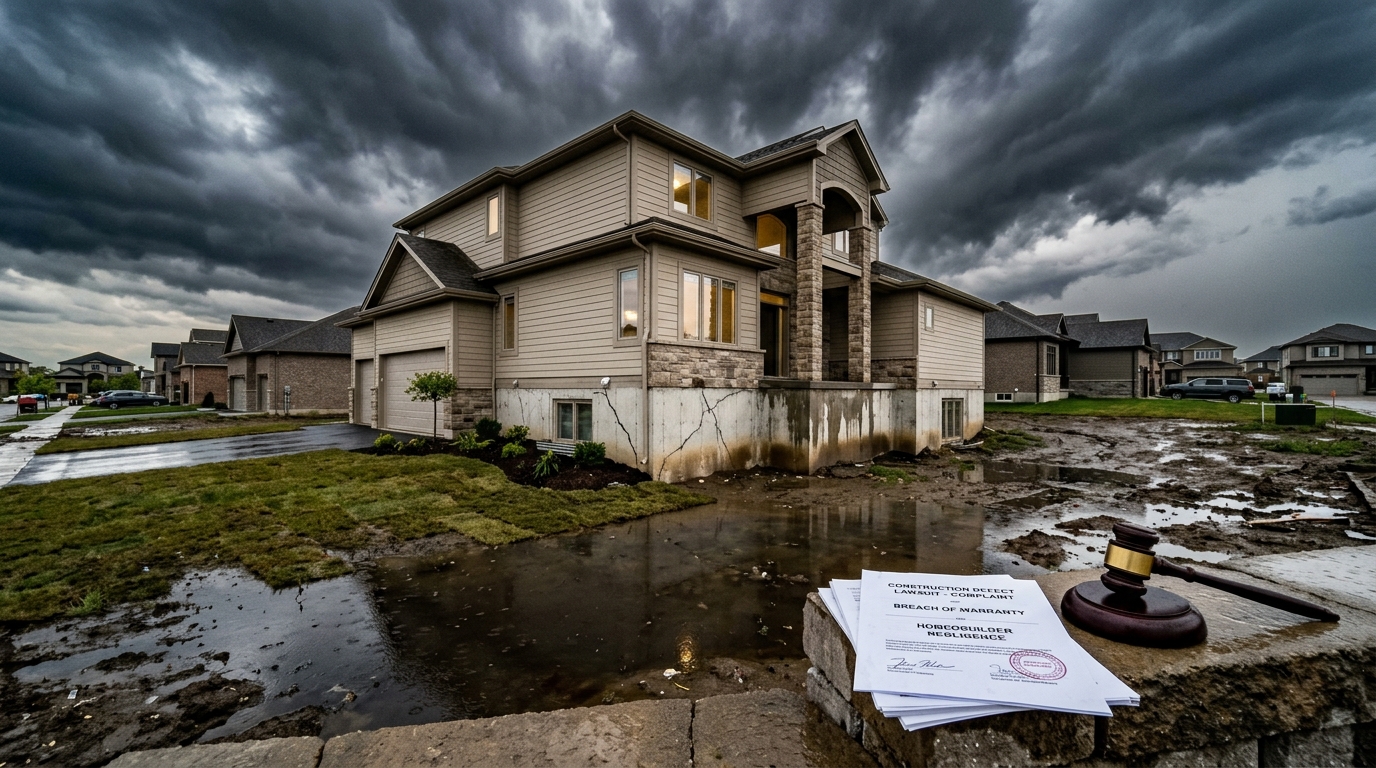
Hundreds of homeowners across the Midwest and South have faced unexpected repairs, water damage, and structural concerns in homes built by one of the nation’s largest builders. If you bought a Fischer Homes property and now deal with leaks, mold, or foundation cracks, you are not alone. The Fischer Homes lawsuit landscape involves ongoing construction defect litigation that highlights common buyer frustrations with warranty denials and repair delays.
This guide breaks down the current status of claims against Fischer Homes as of 2026. You will learn about typical defects, your legal options under home warranty claims and state laws, and practical steps to protect your investment. Whether you are a current owner filing a claim or a prospective buyer researching builder reputations, this resource offers clear, actionable insights to help you move forward confidently.
Who Is Fischer Homes and Why the Ongoing Lawsuits?
Fischer Homes, a major homebuilder operating in Ohio, Kentucky, Indiana, Georgia, and expanding into new markets like Florida and North Carolina, has delivered tens of thousands of homes since the 1980s. While many buyers enjoy their properties, a consistent pattern of complaints has emerged over the past several years.
Homebuyers report issues that appear shortly after closing, often within the first one to two years. These problems frequently lead to construction defect litigation, warranty disputes, and individual lawsuits. The company maintains a strong track record in volume but faces criticism for quality control in certain communities.
As of mid-2026, no large-scale class action settlement has been announced. Instead, disputes resolve through individual cases or private arbitration. The Better Business Bureau has logged hundreds of complaints in recent years, many centered on unresolved defects and poor communication.
If you live in one of Fischer Homes’ communities in the Midwest or Southern United States, understanding these patterns empowers you to act before statutes of limitations expire.
Common Construction Defects Reported by Homeowners
Many lawsuits and complaints against Fischer Homes highlight recurring problems that affect structural integrity issues and everyday livability. Homeowners describe these defects as going beyond normal settling.
Key issues include:
- Water intrusion and mold growth: Basement flooding, roof leaks around vents, and siding gaps allow moisture inside, leading to mold that impacts health and property value.
- Foundation and grading failures: Improper drainage causes yard pooling, foundation cracks, or footer slippage, especially in Kentucky and Ohio communities.
- Poor workmanship in roofing, siding, and windows: Warping materials, missing flashing, and air leaks create energy inefficiency and further water damage.
- Electrical, plumbing, and HVAC problems: Outlets that fail, pipes that burst early, or systems that break within the first year point to installation shortcuts.
- Flooring, drywall, and framing concerns: Uneven floors, cracking walls, and door misalignment suggest framing or subfloor issues.
These complaints often fall under building code violations or breach of the implied warranty of habitability. Fischer Homes typically attributes problems to “normal settling” or homeowner maintenance, which is why many owners turn to independent engineers for proof.
Property damage disputes like these can diminish your home’s value significantly. Early documentation with photos, videos, and professional inspections strengthens your position.
Spotlight on Key Cases in the Fischer Homes Lawsuit
Several notable lawsuits illustrate the challenges homeowners face. While each case is unique, they reveal broader trends in how Fischer Homes handles claims.
In Anderson v. Fischer Single Family Homes IV, LLC (filed around 2020-2021), buyers alleged negligent misrepresentation, breach of contract, and violations of Ohio consumer laws after discovering defects and receiving inadequate warranty repairs. The court compelled the case to private arbitration per the purchase agreement.
The 2024 Hamilton v. Fischer Single Family Homes IV, LLC case in Ohio federal court involved claims under the Ohio Home Construction Service Suppliers Act, breach of contract, and fraud. The buyers said they signed the agreement during a short video call with little explanation of terms. The court upheld most of the arbitration clause but struck the “loser pays” provision (which could discourage valid claims) and an out-of-state venue requirement. The dispute moved to arbitration in Ohio.
Another example is the Gloria Davis-Kelow vs. Fischer Homes case filed in November 2022 in Hamilton County, Ohio. This breach of contract action reflects the type of individual claim many owners pursue when warranty negotiations break down. Public details remain limited, as with most arbitration-bound disputes, but it underscores ongoing legal activity.
Older cases, such as a 2003 mold-exposure suit in Kentucky, also involved personal injury claims tied to water damage. These precedents remind buyers that mold and water damage legal help can involve both property and health-related recourse.
Your Home Warranty Claims and Legal Rights as a Buyer
Fischer Homes typically offers a one-year workmanship warranty, with longer coverage for major systems under a 2-10 year structure. However, many owners report difficulties getting claims approved.
State laws provide additional protection. In Ohio, the Home Construction Service Suppliers Act offers remedies for unfair practices. Kentucky’s Notice and Opportunity to Repair Act requires builders a chance to fix issues before litigation. Across states, courts recognize an implied warranty of habitability that goes beyond written terms, meaning your home must be reasonably fit for living.
Homebuyer protection laws also cover fraud in inducement if sales materials overstated quality. If defects render your home uninhabitable, you may seek repairs, diminished value, or even rescission in extreme cases.
Real estate arbitration is the default path due to contract language, but you retain rights to fair process and evidence-based decisions.
Step-by-Step: How to File a Claim Against Fischer Homes
Taking action promptly gives you the best chance of resolution. Follow these steps:
- Document everything immediately: Take dated photos and videos of defects. Keep records of all communications.
- Submit a formal warranty claim: Use Fischer Homes’ online portal or send a written notice via certified mail. Avoid relying solely on phone calls.
- Get an independent inspection: Hire a licensed engineer or inspector before the one-year warranty expires. Their report provides objective evidence.
- Escalate if denied: If repairs are inadequate or ignored, consult a construction defect attorney. Many work on contingency for strong cases.
- File for arbitration: Demand arbitration through the American Arbitration Association (AAA) as required by your contract. Include all supporting documentation.
Act within your state’s statute of limitations (often 4-6 years from discovery, though Ohio has a 10-year statute of repose for some claims). Missing deadlines can bar filing a claim against Fischer Homes entirely.
The Arbitration Process: What Homeowners Should Expect
Your purchase agreement includes a mandatory arbitration clause with a class action waiver. Disputes go to binding AAA arbitration rather than court. This process is private, typically faster (6-18 months), and limits appeals.
Pros include lower costs than full litigation and expert arbitrators familiar with construction. Cons include upfront filing fees and no jury trial. In the Hamilton case, courts invalidated certain unfair provisions, showing that arbitration clauses are not absolute.
Real estate arbitration often leads to negotiated settlements ranging from $15,000 to $75,000 for moderate defects, with higher amounts for severe structural integrity issues. Severe cases involving mold or uninhabitable conditions may yield larger recoveries, including temporary housing costs.
Coordinated “mass arbitration” by groups of homeowners in the same subdivision can increase leverage without forming a formal class.
Class Action Eligibility and Alternatives for Buyers
As of 2026, no court-certified class action exists against Fischer Homes. The arbitration clause and waiver make traditional class actions difficult. However, attorneys explore challenges to the clause in certain states, and regulatory bodies in Ohio and Kentucky monitor complaint volumes.
If your situation matches others in your neighborhood, reach out to construction defect law firms for a free evaluation. They can assess class action eligibility and explore mass arbitration strategies.
In the meantime, individual claims remain the most direct path. Strong evidence and legal representation improve outcomes.
Practical Tips to Protect Yourself as a Current or Future Homeowner
Prospective buyers should inspect thoroughly during the building process and final walkthrough. Ask detailed questions about warranties and request third-party verification of key systems.
Current owners facing issues should:
- Preserve all purchase documents and emails.
- Avoid making permanent repairs before filing claims (this could weaken your case).
- Consider architectural malpractice or subcontractor liability if defects trace to design flaws.
- Explore insurance options for interim damage while pursuing builder accountability.
For those in the Midwest or South researching builder reputations, check BBB reports, state licensing boards, and recent court dockets. Knowledge is your best defense against property damage disputes.
What the Future Holds for Fischer Homes Litigation
Legal activity continues in 2026, with new filings in expanding markets. While Fischer Homes resolves many claims privately, the volume of reports suggests quality control remains a focus area for the company.
Homeowners who document defects early and seek experienced counsel achieve better results. Regulatory attention may bring broader reforms or improved practices industry-wide.
Take Action Today to Safeguard Your Home
The Fischer Homes lawsuit developments highlight an important truth: your dream home should not come with hidden costs and stress. By understanding construction defect litigation, exercising your rights under home warranty claims, and following proven steps, you can pursue fair resolutions.
Do not wait for defects to worsen. Consult a qualified construction defect attorney who understands your state’s laws and has experience with homebuilder disputes. Many offer free initial consultations and can evaluate your case quickly.
Your home is likely your largest investment. Protect it with knowledge and professional guidance. Reach out to a specialist today to discuss your options and take the first step toward resolution.
You May Also Like: Understanding Allodial Title in Modern Real Estate Law