
 By As Law Online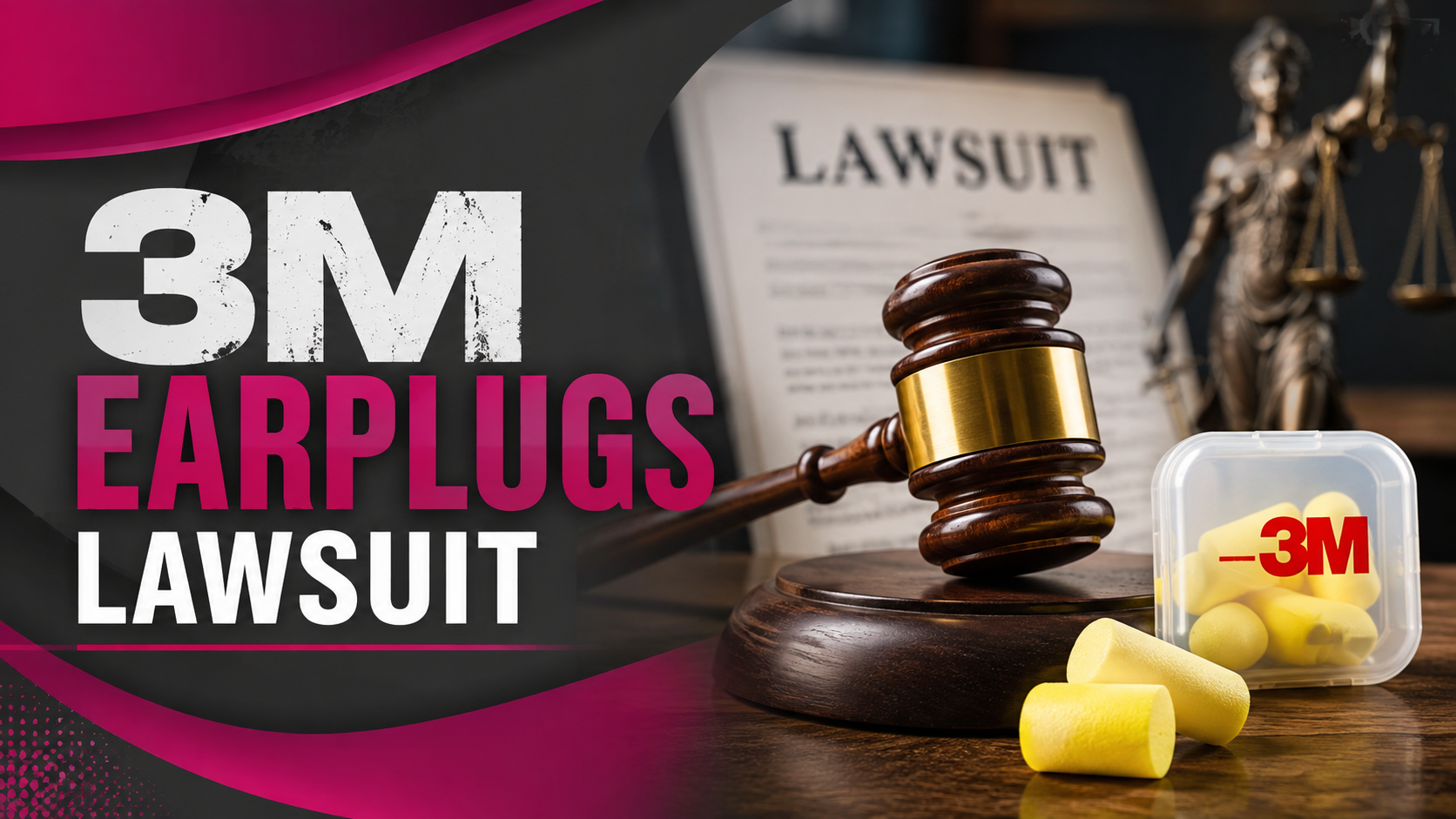
Hundreds of thousands of U.S. service members relied on dual-ended Combat Arms earplugs for protection during training and combat. Many later developed tinnitus, hearing loss, or other auditory damage. The 3M earplugs lawsuit grew into one of the largest mass torts in American history, centered on alleged defects in the CAEv2 model supplied by Aearo Technologies (later acquired by 3M).
This guide explains the litigation history, settlement details, eligibility factors that applied, current payment status as of late 2026, and practical next steps for those already in the program. It aims to give veterans, active-duty members, industrial workers who used similar products, families, and representatives clear information so they can check status and protect their interests.
What Went Wrong with the Dual-Ended Combat Arms Earplugs
The dual-ended Combat Arms earplugs (specifically CAEv2) were marketed as versatile protection. One end was designed to block continuous noise while still allowing speech and commands to be heard. The other end provided fuller blockage. The military issued them widely from roughly 2003 to 2015.
Internal testing revealed problems early. A 2000 report (often called the Flange Report) documented that the stem was too short for proper insertion in many users, especially those with medium or larger ear canals. The flanges on the non-inserted end could press against the ear and fold back, then spring outward. This caused the seal to loosen without the wearer noticing. Damaging noise could then enter around the plug.
Plaintiffs alleged 3M and Aearo knew of these CAEv2 defects yet continued selling the product to the military without adequate warnings or design changes. In 2018 the U.S. Department of Justice resolved related False Claims Act allegations for $9.1 million. 3M did not admit liability. The company later discontinued the CAEv2.
The result for many users was permanent tinnitus (ringing or buzzing in the ears) and sensorineural hearing loss. These conditions can interfere with work, sleep, relationships, and quality of life. Military audiometry tests and VA records became central evidence in later claims.
How the Litigation Became Multidistrict Litigation (MDL 2885)
Individual lawsuits began piling up. In 2019 the Judicial Panel on Multidistrict Litigation consolidated federal cases into MDL 2885 in the Northern District of Florida before Judge M. Casey Rodgers. This multidistrict litigation process coordinates pretrial proceedings, discovery, and bellwether trials while preserving each plaintiff’s individual claim.
Roughly 391,000 cases eventually entered the MDL, making it one of the largest mass torts ever. Sixteen bellwether trials produced mixed results: roughly ten plaintiff verdicts and six defense wins. Individual awards varied widely; one of the largest single-plaintiff verdicts reached about $77.5 million (later subject to post-trial proceedings). These outcomes increased pressure toward global resolution.
A parallel coordinated proceeding existed in Minnesota state court. 3M’s attempt to use a subsidiary bankruptcy to limit liability was rejected by the courts. The scale of the litigation, combined with the strength of certain plaintiff evidence on the design defect, set the stage for settlement.
The $6.01 Billion Settlement and Its Structure
On August 29, 2023, 3M and plaintiffs’ leadership announced Master Settlement Agreements resolving the vast majority of Combat Arms Version 2 claims. The total value reached approximately $6.01 billion, to be paid over time from 2023 through 2029. The structure originally included cash and stock components and was later adjusted toward cash funding. Participation exceeded 99 percent, well above the thresholds that allowed 3M to remain bound.
Key programs included:
- Expedited Payment Program (EPP): Faster track with more limited documentation requirements and generally lower fixed or formula awards. Most of these claimants have now been paid.
- Deferred Payment Program (DPP): Points-based awards that weigh injury severity, documentation quality (audiograms, VA ratings, service records), laterality (one or both ears), age, and other factors. Payments occur in cycles.
- Extraordinary Injury Fund (EIF): Additional amounts for the most severe, well-documented cases.
- Separate handling for certain wave cases and the small number of verdict cases.
BrownGreer serves as settlement administrator. The official portal is combatarmssettlement.com. Claimants and counsel use secure logins to track status, upload materials, and receive notices.
As of late August 2026, total payments issued across the agreements exceeded $3.03 billion (net of common-benefit assessments). EPP claims were essentially complete, with over 232,000 claimants paid. DPP registration and Cycle 1 points-based payments were largely finished or nearly so, with further cycles scheduled. An $800 million funding tranche was targeted for on or around September 15, 2026, followed by additional point-value calculations and distributions into 2029.
The federal MDL itself was fully dismissed in April 2026. Zero cases remain pending there. A handful of Minnesota matters lingered at last report, but the primary litigation phase has ended. Ongoing court activity focuses on administration, fee allocations among counsel (including disputes over common-benefit percentages), and ensuring awarded funds reach claimants.
Who Qualified for the 3M Earplugs Lawsuit
Eligibility under the settlement required, in essence:
- Service in the U.S. military during the period the CAEv2 was issued (commonly 2003–2015).
- Use of the dual-ended Combat Arms earplugs (Version 2).
- Documented hearing loss, tinnitus, or related auditory impairment.
Civilians who used the product in industrial or construction settings were sometimes included, but the overwhelming majority of claims involved service members. Stronger documentation (military medical records, post-service audiometry, VA disability ratings for hearing conditions) generally supported higher point values in the DPP or EIF consideration.
Registration deadlines closed in early 2024 (final cutoff commonly cited around March 25, 2024). Appeals windows also closed. New claims are not being accepted into the settlement program. Individuals who missed the deadlines generally have no remaining path into this specific resolution, though consulting counsel about any unique circumstances remains the only way to confirm.
Family members or representatives of deceased claimants sometimes pursued derivative claims if the decedent had used the earplugs and suffered the injuries. Those situations followed the same documentation and deadline rules.
Average Payouts, Verdict Amounts, and What Influences Compensation
There is no single “average” that applies to every claimant. Awards depend on program track, points assigned, documentation strength, and injury severity.
Public reporting and administrator data show wide ranges. Many EPP awards fell in the lower thousands to low tens of thousands. DPP point-based awards and EIF awards scaled higher for bilateral loss, significant tinnitus with functional impact, early onset, or strong causal linkage. Extraordinary cases reached into the mid-to-high six figures in some reports. Overall averages cited across paid claimants often fall in the roughly $10,000–$20,000 range before or after certain deductions, but this figure masks substantial variation.
Bellwether verdicts provided reference points before settlement: compensatory and punitive awards ranged from under $2 million to the high tens of millions in individual cases. Settlement amounts are typically lower than successful trial verdicts because they reflect compromise, certainty, and the cost of continued litigation.
Common-benefit assessments (around 9 percent in many distributions) and individual attorney contingency fees reduce the net amount a claimant receives. Payment timing also varies: EPP moved faster; DPP and EIF awards continue on the multi-year schedule.
How to Check Your 3M Earplugs Settlement Status
If you registered and elected into the program:
- Visit the official site at combatarmssettlement.com.
- Use the Claimant Login with the credentials provided by the administrator or your counsel.
- Review notices, payment history, outstanding requirements, and upcoming cycle information.
- Contact your primary counsel if documents are missing or you need help interpreting a notice.
- Watch for court orders (such as recent Case Management Orders addressing payment cycles and unclaimed awards) that may affect timing.
BrownGreer and the court continue to refine processes for awards that have been assigned but not yet received. Keep contact information current so notices reach you.
Impact on VA Disability Benefits and Other Considerations
A frequent and understandable concern is whether accepting settlement funds affects VA benefits. The answer is no. VA disability compensation is based on service-connected ratings, not income or assets. A private settlement from 3M does not reduce ongoing VA payments, alter ratings, or trigger subrogation for the hearing-related conditions in the ordinary course. Multiple sources, including settlement-related guidance, confirm this separation.
Veterans who have not yet filed for VA service connection for hearing loss or tinnitus should still consider doing so. VA benefits provide ongoing monthly compensation and access to care; the settlement is a one-time resolution of the product-liability claims. The two systems operate independently.
Other practical points: Keep all military and medical records. Respond promptly to any administrator requests. Understand that attorney fees and common-benefit assessments are deducted. If an award appears incorrect, follow the reconsideration or dispute procedures outlined in the program materials while deadlines allow.
Practical Next Steps and Pitfalls to Avoid
For those already in the settlement:
- Log into the portal regularly.
- Confirm banking or payment details are accurate.
- Work with counsel on any remaining documentation for DPP or EIF cycles.
- Monitor the funding and payment schedule through 2029.
For those who never registered: Options are extremely limited. Speak with a qualified attorney about whether any narrow late-claim or extraordinary circumstance path exists in your specific situation. Most firms are no longer accepting new 3M Combat Arms cases because the registration window closed years ago.
Avoid scams. Use only the official settlement website and communications from known counsel or the administrator. Do not pay upfront fees to “expedite” a settlement payment.
The litigation demonstrated both the power of coordinated mass tort proceedings and the long timeline required to move hundreds of thousands of claims from filing through trial preparation to final distribution. For many veterans the process has already delivered meaningful compensation. For others still awaiting DPP or later-cycle payments, patience and active monitoring of the portal remain essential.
Frequently Asked Questions
Is the 3M earplugs lawsuit still open for new claims?
No. Registration closed in 2024. The MDL was dismissed in 2026. New filings into this settlement program are not accepted.
What is the current status of payments?
As of late August 2026 more than $3 billion has been paid. EPP is essentially complete. DPP and remaining EIF distributions continue on a scheduled basis through 2029, with significant funding events still ahead.
How much can I expect to receive?
Amounts vary by injury severity, documentation, and program track. Many awards fell in the lower-to-mid five figures; higher awards went to more severe, better-documented cases. Net amounts are reduced by fees and assessments.
Will the settlement affect my VA disability benefits?
No. VA benefits and the private settlement operate separately. Accepting settlement funds does not reduce VA compensation or ratings for the related conditions.
How do I check my claim status?
Log into the official portal at combatarmssettlement.com using the credentials provided to you or your attorney. Contact your counsel with any questions about notices or missing information.
What were the main defects alleged in the CAEv2?
The stem was too short for reliable deep insertion in many users, and the flange design allowed the seal to loosen imperceptibly, permitting hazardous noise exposure.
Are civilian industrial or construction workers included?
Some claims from non-military users existed, but the litigation and settlement focused overwhelmingly on military service members who received the CAEv2.
You May Also Like: Are You Affected? How the Ashcroft Capital Lawsuit Impacts Investors