
 By As Law Online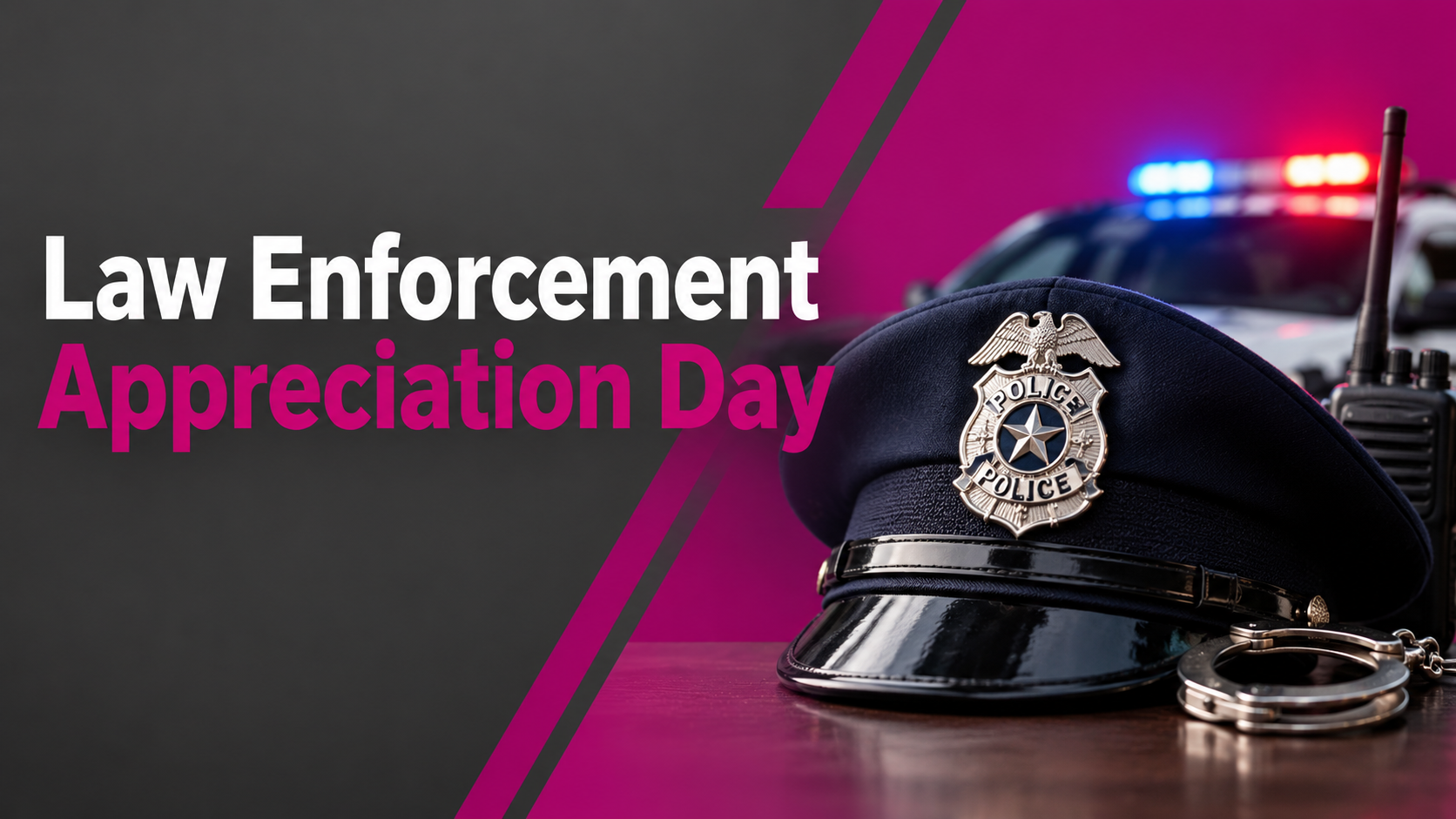
Every January 9, communities across the United States pause to recognize the men and women who wear the badge. Law Enforcement Appreciation Day offers a focused moment to say thank you to the roughly 750,000 sworn officers who protect neighborhoods, respond to crises, and stand ready when others call for help.
This day began as a deliberate response to a difficult period for public safety officers. It has grown into a nationwide opportunity for everyday people, schools, civic groups, and families to strengthen the bond between communities and the people who serve them. In the pages that follow, you will learn how the day started, why it still matters, and concrete ways you can take part, whether you organize a school activity, light a blue porch light, or simply thank an officer in person.
The Origins of National Law Enforcement Appreciation Day
Law Enforcement Appreciation Day, often shortened to L.E.A.D., was created in late 2014 and first observed on January 9, 2015. The driving force was Concerns of Police Survivors (C.O.P.S.), a nonprofit founded in 1984 to support the families and coworkers of officers killed in the line of duty.
After the officer-involved shooting in Ferguson, Missouri, in August 2014 and the unrest that followed, many officers and their families felt a sharp rise in hostility and distrust. C.O.P.S. and partner organizations, including the Fraternal Order of Police, the International Association of Chiefs of Police, the FBI National Academy Associates, and others, decided the country needed a clear, positive day dedicated to appreciation. They chose January 9 so communities could begin the new year by affirming support for local, state, and federal law enforcement agencies.
The first observance encouraged simple, visible acts: wearing blue, sending cards or treats to stations, sharing positive stories on social media, and lighting blue lights. Over the next decade the day has been recognized by cities, states, and even presidential messages. It remains distinct from National Police Week in May, which centers on memorials for fallen officers. January 9 focuses on active gratitude for those still serving.
Why Law Enforcement Appreciation Day Matters
Public safety officers face risks most of us never encounter. According to the National Law Enforcement Officers Memorial Fund, line-of-duty deaths have historically averaged between 140 and 160 officers per year, though recent years have seen lower totals. Firearms and traffic incidents remain leading causes. Beyond physical danger, officers routinely respond to traumatic scenes, domestic crises, and high-stress calls that take a toll on mental health.
The thin blue line symbol captures this reality. It represents the narrow barrier officers form between order and chaos, between the public and those who would do harm. When communities show consistent respect, that line holds stronger. Officers who feel valued are more likely to stay in the profession, mentor younger colleagues, and engage positively with residents.
Appreciation also humanizes the badge. Behind every uniform is a parent, spouse, sibling, or neighbor who chose a career that requires them to run toward danger. Law Enforcement Appreciation Day reminds the public that most interactions with police officers are quiet, helpful, and professional. It gives families of officers, military relatives, and civic leaders a shared language for support.
For survivors served by C.O.P.S., the day carries extra meaning. Seeing neighborhoods light up in blue or schools deliver handmade cards affirms that the sacrifice of their loved ones is remembered and that the profession still earns public regard.
How Communities and Individuals Can Show Support
You do not need a formal program to participate. Small, consistent gestures add up. Here are practical, proven ways to mark the day and continue support throughout the year.
Simple Personal Actions
- Wear blue clothing or a blue ribbon on January 9.
- When you see a police officer, thank them directly. A sincere “thank you for your service” takes seconds and often brightens an entire shift.
- Write a short note or email to your local department. Many agencies post these messages on break-room boards.
- Share a positive personal story on social media using the hashtags #LawEnforcementAppreciationDay or #COPSThanksCops.
- Display a blue light in a window or on a porch as part of Project Blue Light. This tradition began with a surviving family member who placed blue candles in her window to honor a fallen officer. Today it signals support for both active officers and those lost in the line of duty.
Project Blue Light and Visible Symbols
Project Blue Light asks residents and businesses to replace ordinary bulbs with blue ones or add blue string lights during the holiday season and around January 9. The soft blue glow serves as a quiet, ongoing reminder that the community stands with its public safety officers. Many police stations and municipal buildings participate, creating a visual chain of support across towns and cities.
Blue Blood Drive and Practical Giving
In recent years C.O.P.S. chapters have partnered with blood banks for the Blue Blood Drive. Donors give blood in honor of law enforcement officers past, present, and future. Blood is always needed, and linking the donation to Law Enforcement Appreciation Day turns a routine act into a meaningful tribute. Check local Red Cross or blood center schedules for drives timed near January 9.
Other practical gifts include gift cards for coffee or meals delivered to stations, especially during overnight shifts, and care packages with non-perishable snacks, hand warmers, or toiletries.
Activities for Schools and Youth Groups
School administrators and teachers play a powerful role. Children often form lasting impressions of law enforcement through positive early encounters. Consider these age-appropriate activities:
- Invite a local officer for a short classroom visit focused on safety and community helpers.
- Have students create thank-you cards or drawings that the class delivers to the nearest station.
- Organize a “blue day” where students wear blue and learn brief facts about local first responders.
- Partner with a department for a reading program or sports clinic that builds familiarity in a relaxed setting.
These activities reduce fear, humanize officers, and plant seeds of mutual respect. Civic groups and parent organizations can sponsor the materials or help coordinate the visits.
Support for Families and Survivors
Military and law enforcement families often share similar pressures: long hours, missed holidays, and the knowledge that a loved one may not return home. Showing appreciation to spouses, children, and parents of officers reinforces that the whole family serves. Simple acts include including officer families in community events, offering practical help during deployments or after critical incidents, and directing people toward C.O.P.S. resources when a line-of-duty death occurs.
C.O.P.S. provides peer support, camps for children, scholarships, and retreats at no cost to survivors. Public awareness of these programs on Law Enforcement Appreciation Day helps more families find the help they need.
Building Stronger Community-Police Relationships Year-Round
One day of appreciation works best when it reflects ongoing partnership. Community leaders can:
- Attend or host coffee-with-a-cop style events that invite open conversation.
- Support civilian oversight and training programs that improve accountability while maintaining officer safety.
- Encourage residents to report both concerns and positive interactions so agencies receive balanced feedback.
- Collaborate on problem-solving projects such as neighborhood watches, youth mentoring, or traffic safety campaigns.
When citizens and officers work side by side on shared goals, trust grows. Law Enforcement Appreciation Day becomes not an isolated celebration but a yearly checkpoint for that relationship.
The Broader Role of First Responders
Police officers form one part of a larger public safety network that includes firefighters, emergency medical technicians, and other first responders. Many communities expand January 9 activities to honor the full spectrum of people who answer emergency calls. Recognizing the interconnected nature of these roles strengthens overall community resilience.
Federal agencies, state troopers, sheriffs’ offices, tribal police, and campus departments all share the same core mission. Including them in local observances ensures no one who wears a badge feels overlooked.
Looking Ahead: Sustaining the Spirit of Gratitude
Since its start in 2015, Law Enforcement Appreciation Day has matured from a reactive response into an established tradition. Cities and states continue to issue proclamations. Social media amplifies personal stories. Blood drives and blue-light displays have become annual fixtures.
The day’s lasting value lies in its accessibility. Anyone can participate without special training or large budgets. A handwritten note, a blue porch light, a blood donation, or a classroom card all communicate the same message: we see the work you do, we understand the risks you accept, and we are grateful.
As communities prepare for each January 9, the invitation remains open. Whether you are a parent, a business owner, a school administrator, a civic volunteer, or simply a resident who values safety, your actions matter. Law Enforcement Appreciation Day gives us a calendar date, but the real work of support happens every day of the year.
Frequently Asked Questions
When is Law Enforcement Appreciation Day?
It is observed every year on January 9, regardless of the day of the week.
Who started Law Enforcement Appreciation Day?
Concerns of Police Survivors (C.O.P.S.), working with partner law enforcement organizations, established the day in 2015.
How is Law Enforcement Appreciation Day different from National Police Week?
National Police Week in May focuses on memorials and remembrance of officers killed in the line of duty. Law Enforcement Appreciation Day on January 9 centers on gratitude for active officers and positive community support.
What is Project Blue Light?
It is a simple campaign encouraging people to display blue lights at home or work to show support for law enforcement officers, both living and fallen. It grew from a personal gesture by a surviving family member.
What is the Blue Blood Drive?
Local blood collection agencies partner with C.O.P.S. chapters to collect blood donations in honor of law enforcement officers. Participation is open to eligible donors year-round, with special emphasis near January 9.
Can schools participate in Law Enforcement Appreciation Day?
Yes. Schools often organize card-making, blue clothing days, officer visits, and educational activities that introduce students to public safety roles in a positive way.
How can I support families of officers who have died in the line of duty?
Contact Concerns of Police Survivors (C.O.P.S.) for guidance. The organization offers free peer support, counseling resources, camps, and scholarships to eligible survivors.
You May Also Like: Kwasi Anin-Yeboah Ghana School of Law: Key Facts and Insights