
 By As Law Online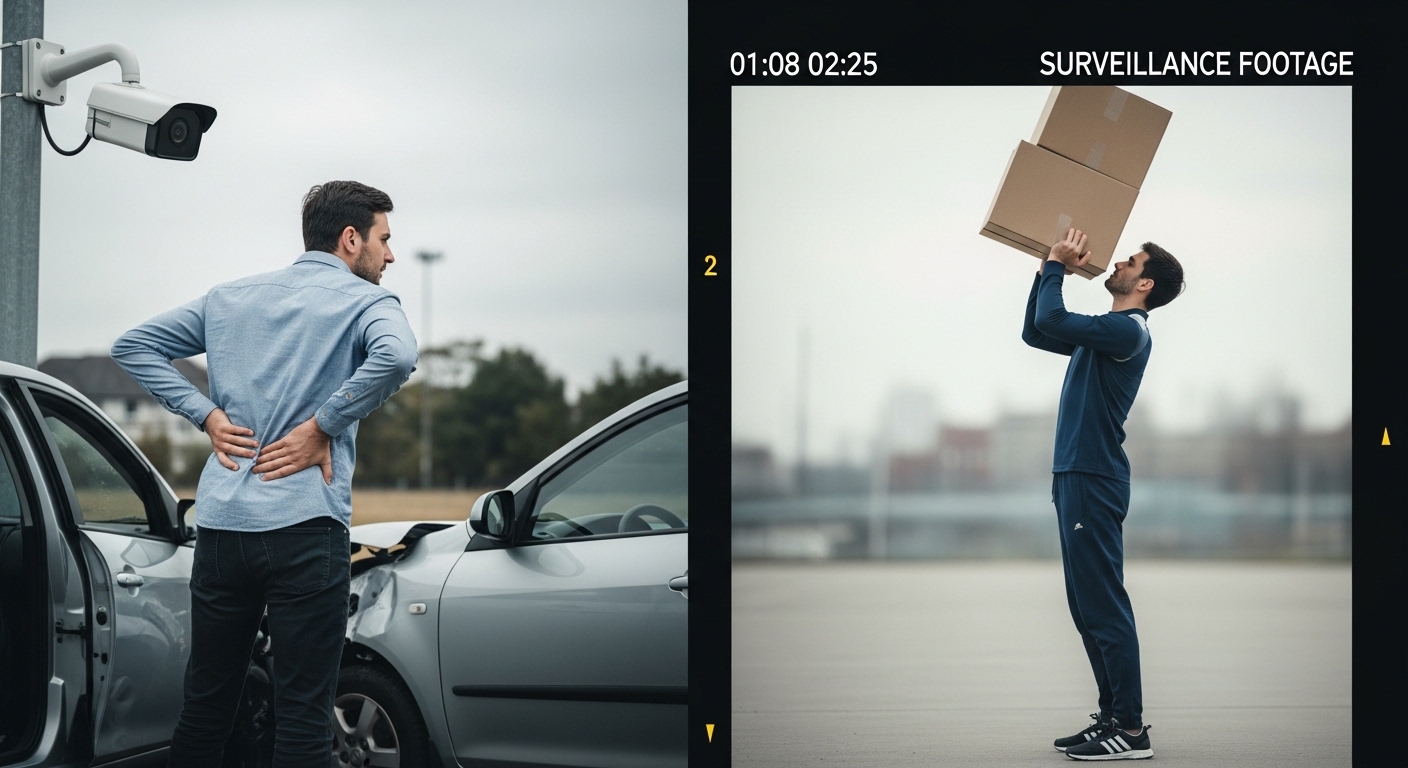
Surveillance is a strategy that is commonly used in personal injury cases to prove or disprove someone’s claims. In a world where cameras are seemingly everywhere, most people can safely assume they are being recorded anytime they are in public spaces. However, insurance companies may focus specifically on you or your loved one in an effort to deny payouts or prove that the injuries aren’t as severe as you state.
While you deserve the freedom to go about your normal activities to the best of your abilities, given your injury, it is important to be aware of how surveillance could distort your truth. Exploring how surveillance strategies might be used regarding your case and how to conduct yourself while your case is active helps you work with your lawyer to seek compensation for your personal injury.
Understanding What Surveillance Involves
In the earliest stages of a personal injury case, both parties might use surveillance footage from nearby traffic cameras and other sources. People can often find videos that demonstrate what was happening before an accident occurred. For instance, a traffic camera might show someone driving while using their smartphone or speeding through a red light. Or, you might find surveillance footage from a business that shows a slippery floor without clear warning signs. Either way, these types of surveillance videos could help prove who was at fault for an accident.
Once a personal injury claim is filed, surveillance can take on other forms. Insurance companies often strive to capture images of someone engaging in activities that they shouldn’t be doing with a personal injury. While you might know that your lawn must get mowed to prevent a costly fine, the truth is that being on camera pushing heavy equipment might make it look like you aren’t dealing with a severe injury.
Social media monitoring is another surveillance tactic that is growing in popularity. Insurance companies and other interested parties could search for your social media profiles online and use posts to create evidence that your claims aren’t true. Unfortunately, even innocent posts can sometimes be taken out of context.
For example, you might post photos from a past event that an insurance company tries to say were recent. Or, you might try to reassure your loved ones that you are doing fine and slightly soften the reality that you are facing by making a post about your swift recovery. As a general rule, any social media posts that are viewable to the public could be used in a personal injury case.
Avoiding Misrepresentation in Surveillance Footage
As frustrating as it might feel to be spied on, the truth is that you can avoid misunderstandings that compromise your case. Simply being aware that you might be surveilled helps you begin taking steps to ensure that nothing you do or say could be misinterpreted.
Following your doctor’s orders is good for your recovery, and this one simple step can help you avoid being caught on surveillance, making even the smallest mistake. If your doctor says not to lift anything over a certain weight, then carrying in your groceries one item at a time protects you from a worse injury and makes it clear you are still recovering. Even better, have someone else carry in your groceries or do other heavy tasks whenever its possible.
For now, you might also need to put your social media profiles on lockdown. Set your profiles to private, and avoid accepting new friend requests. You might also need to skip posting until your case is complete, since even private posts might somehow appear to the public without your control.
Acting naturally is also important. If you see a car sitting outside your house for long periods of time or feel like you are being watched, then it is possible you are under surveillance. While it might be tempting to play up your injury, it’s best to try to carry on with you normal business.
Upholding Your Rights After a Personal Injury
In most public areas, it is legal for someone to record your behavior. Just as you might encounter security cameras in a grocery store, someone could legally use their personal camera or phone to record you walking without assistance or picking up heavy items.
You do have the right to use certain areas without being recorded. For instance, an insurance company might be able to record you outside in your front yard, but they aren’t allowed to record what is going on inside your home. You also have the right to enjoy privacy in restrooms and other areas where someone might normally expect to not be recorded.
Working with an experienced insurance bad faith lawyer can help you make sure that your rights are upheld. In some cases, a lawyer might be able to request more footage for context. For instance, an insurance company might cut out a long period of rest while you are walking in public. Or, a photo might be edited to remove someone who is giving you assistance.
Since the rights regarding recording others in public can get blurry, it’s helpful to have a professional on your side who can help protect your rights. For instance, you are also allowed to live your life without harassment.
If someone is yelling at you or trying to bait you into doing unsafe activities during your recovery, then this is another issue to mention to your lawyer. While an insurance company’s investigator may be able to sit outside your house on a public street, they could be breaching privacy laws if they are using cameras to zoom in to see what is happening in your bedroom or bathroom.
No one should feel like they are being followed in public or stalked on social media, but the truth is, many surveillance tactics are legal. If you’ve suffered a personal injury, then simply being aware of how your actions might be perceived can help you avoid making a choice that could harm your case.
Resisting posting about a past vacation on social media can avoid having a court think that you just went skiing with a back injury. Meanwhile, having a friend accompany you to the grocery store could prevent you from being tempted to lift more weight than you should with your injury.
If you suspect that you might have been caught on surveillance videos doing something you shouldn’t, then being proactive and speaking to your lawyer can help mitigate the damage. While you shouldn’t have to worry about something you do being misconstrued, taking action quickly can help you demonstrate the authenticity of your personal injury claim.
You May Also Like: What victims should know about protecting their rights after dog attacks and pedestrian accidents