
 By As Law Online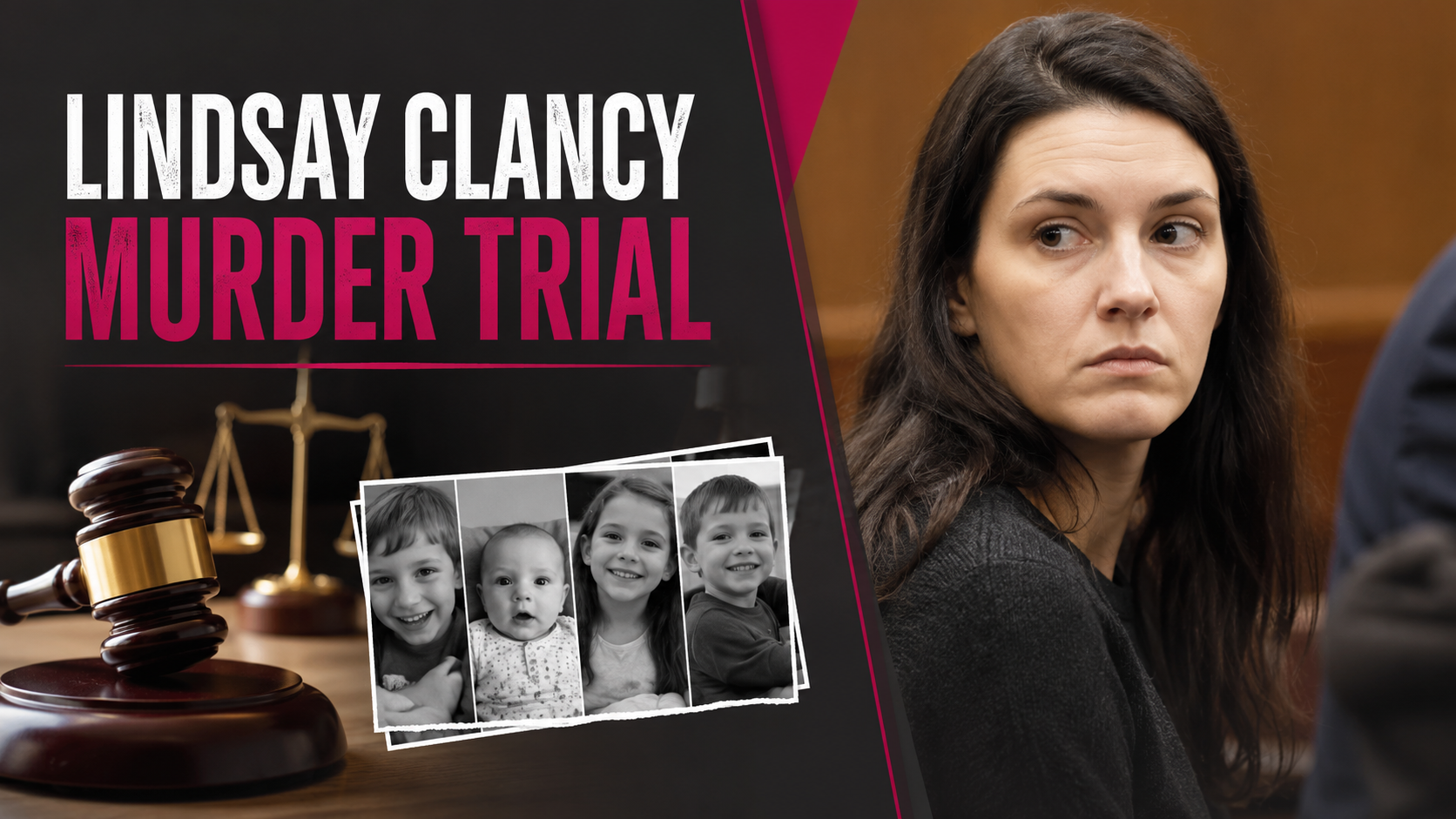
The tragedy that unfolded in a quiet Duxbury, Massachusetts home on January 24, 2023, continues to capture national attention as the Lindsay Clancy murder trial moves forward in Plymouth Superior Court. Three young children lost their lives that evening. Their mother now faces three counts of first-degree murder while her defense centers on severe postpartum mental illness.
This article examines the facts of the case, the legal strategies on both sides, courtroom testimony, and the broader questions the trial raises about postpartum psychosis and maternal mental health care. Readers will find clear context on the charges, key evidence rulings, opening statements, and the testimony of Patrick Clancy, the children’s father. The goal is to inform true crime followers, legal observers, and mental health advocates without sensationalism.
Background of the Duxbury Tragedy
Lindsay Clancy, a former labor and delivery nurse at Massachusetts General Hospital, lived in Duxbury with her husband Patrick and their three children: Cora, age 5; Dawson, age 3; and Callan, then about 8 months old. On the evening of January 24, 2023, Patrick left the house to pick up takeout. When he returned, he found the children unresponsive in the basement. They had been strangled with exercise bands. Lindsay had cut her wrists and neck and jumped from a second-story window in what authorities described as a suicide attempt. She survived but remains paralyzed from the waist down.
Prosecutors charged her with three counts of first-degree murder, alleging deliberate premeditation and extreme atrocity or cruelty. Strangulation charges were later dropped as redundant. Clancy pleaded not guilty. Her attorney, Kevin Reddington, has long signaled a defense based on lack of criminal responsibility, the Massachusetts equivalent of an insanity defense. He argues she suffered from postpartum psychosis compounded by overmedication.
Patrick Clancy publicly forgave his then-wife in the days after the deaths. The couple later divorced. Both have filed medical malpractice lawsuits against providers, claiming failures in diagnosis and treatment contributed to the tragedy. Lindsay remains held at Tewksbury State Hospital.
The case has drawn comparisons to other high-profile maternal mental health cases while focusing attention on gaps in postpartum care. About 1 in 8 women experience postpartum depression. Postpartum psychosis is far rarer, affecting roughly 1 to 2 women per 1,000 births. It is a psychiatric emergency that can involve hallucinations, delusions, severe mood swings, and command voices urging harm.
Pretrial Developments and Evidence Rulings
Jury selection began July 20, 2026, before Judge William F. Sullivan. The process took several days. The court seated 18 jurors: 12 to deliberate and 6 alternates. The panel includes 12 women and 6 men. The trial is expected to last four to eight weeks.
Key pretrial rulings shaped what the jury will hear and see. Prosecutors may introduce photos of the children taken before their deaths and autopsy photos. The 911 call Patrick Clancy made that night is admissible, though access to the recording and certain images has been restricted from broader public distribution. Jurors may visit the former family home to understand the layout.
The judge denied a defense request to call other women who experienced postpartum psychosis as witnesses. Prosecutors argued such testimony would be prejudicial and prolong the trial. Non-expert witnesses are limited in discussing specific mental health diagnoses, though family members may describe observations of Lindsay’s mood and behavior. The defense had also sought a bifurcated trial that would first confirm the acts and then address criminal responsibility. That request was denied.
These rulings keep the focus on whether Clancy lacked the capacity to understand the wrongfulness of her actions or conform her conduct to the law at the critical moment.
Opening Statements: Two Competing Narratives
Opening statements on July 27, 2026, framed the central dispute. Assistant District Attorney Shanan Buckingham told jurors Lindsay Clancy acted “intentionally, rationally, and swiftly.” She described the killings as meticulous: exercise bands wrapped around each child’s neck until their bodies went limp. Buckingham argued Clancy was not in the throes of psychosis. She pointed to planning, including sending her husband out for takeout from a restaurant farther away than usual, as evidence of deliberate choice. The prosecutor urged the jury to focus on Clancy’s actions that day rather than broader debates about women’s mental health.
Defense attorney Kevin Reddington countered that the case is fundamentally about postpartum psychosis and women’s health. He described command hallucinations: a male voice Lindsay had never heard before telling her it was her last chance to kill the children and herself. Reddington emphasized that she sought help repeatedly, reported worsening symptoms, and was prescribed a cascade of medications. He argued the medical system failed her and that society fails women with severe postpartum illness. Reddington told the jury the prosecution knew charging her with murder “was going to kill the soul of this young woman.”
Both sides agree she caused the deaths. The fight is over criminal responsibility. In Massachusetts, the Commonwealth must prove beyond a reasonable doubt that the defendant did not lack substantial capacity to appreciate the wrongfulness of her conduct or to conform her conduct to the requirements of the law because of a mental disease or defect.
Patrick Clancy Testimony: The First Witness
Patrick Clancy took the stand as the prosecution’s first witness. He faced his former wife in the courtroom for the first time since the tragedy. His testimony, which began on the afternoon of July 27 and is expected to continue, walked jurors through the months leading up to January 24, 2023.
He described Lindsay’s mental health decline after the birth of Callan. She experienced anxiety, depression, and intrusive thoughts about harming herself or the children. In December 2022 she disclosed these thoughts in the presence of her mother. Patrick said he asked whether she needed to be kept away from the children. She said no. Moments later she would be making lunch, playing with them, or preparing them for bed. He never saw her harm the children.
Patrick detailed the medications. He testified that her condition worsened after she began taking Seroquel, describing a “big spiral” that included weight loss, deepening depression, and suicidal thoughts. She received multiple prescriptions over several months. Providers continued adjusting medications even after she reported problems. She spent five days at McLean Hospital in early January 2023 and was discharged with follow-up appointments.
In the days and weeks after discharge, Patrick said Lindsay appeared to improve. She helped organize Cora’s birthday party, joined family outings to a museum and a water park, and interacted with the children. On January 24 she took Cora to a routine checkup. The family built a snowman. Texts between the couple that day were ordinary. When Patrick left for takeout, Lindsay’s demeanor was “normal.” He rocked Callan on his knees, kissed Cora on the head, and told them he would be right back. Dawson sat on the couch eating chicken nuggets.
Testimony paused before the 911 call portion. Court did not sit the following day for reasons unrelated to the case. Proceedings resumed Wednesday with Patrick still on the stand.
His account supplies both sides with material. Prosecutors highlight periods of apparent normalcy and the deliberate act of sending him away. The defense uses the long history of symptoms, help-seeking, and medication changes to support the claim of a severe postpartum psychiatric condition.
Understanding the Postpartum Psychosis Defense
Postpartum psychosis is distinct from the more common postpartum depression. It typically begins within days to weeks after delivery, though onset can vary. Symptoms include rapid mood shifts, confusion that can resemble delirium, hallucinations, delusions (often centered on the infant), insomnia, agitation, and sometimes command hallucinations that instruct specific actions. Many cases involve an underlying bipolar spectrum illness, even if never previously diagnosed. The risk of suicide and infanticide is elevated, making it a true medical emergency that usually requires hospitalization.
Treatment often includes benzodiazepines for sleep and agitation, antipsychotics, and lithium as a mood stabilizer. Early, aggressive intervention produces high rates of remission. Sleep restoration is critical. Experts note that symptoms can wax and wane: a woman may appear lucid one moment and psychotic the next.
In the Clancy case the defense contends Lindsay experienced command hallucinations and a manic or mixed psychotic state driven by postpartum onset bipolar disorder with psychosis. They argue overmedication created a “toxic soup” that worsened her condition rather than stabilizing it. Prosecutors counter that her actions showed planning and awareness, inconsistent with a complete break from reality. They note that some medical records recorded milder diagnoses such as generalized anxiety, and that she functioned in daily tasks close to the time of the killings.
The jury will hear expert testimony from both sides. Mental health experts will interpret records, journals, medication history, and Lindsay’s own statements about the voice she heard. The defense cannot call lay witnesses who experienced similar symptoms in other cases, so the focus remains tightly on Lindsay’s individual history and the night in question.
Readers seeking reliable information on perinatal mental health can consult resources from the American Psychiatric Association or Postpartum Support International. These organizations explain the spectrum of conditions and emphasize that most women who experience intrusive thoughts never act on them and recover fully with proper care.
Broader Implications for Maternal Mental Health
The Lindsay Clancy murder trial has become a flashpoint for conversations about how the medical system identifies and treats severe postpartum illness. Clancy was a nurse familiar with the healthcare system. She sought care at emergency rooms, crisis lines, outpatient providers, and an inpatient psychiatric hospital. Her husband advocated for more thorough evaluation. Yet the outcome was catastrophic.
Advocates point to fragmented care, reliance on brief telehealth visits, rapid medication changes without sufficient monitoring, and the difficulty of distinguishing ordinary postpartum anxiety from emerging psychosis. Women with fewer resources or less medical literacy face even steeper barriers. The civil lawsuits filed by both Patrick and Lindsay against providers underscore these systemic questions, even as the criminal trial focuses on individual responsibility.
Mental health experts stress that postpartum psychosis is treatable and that the vast majority of affected mothers never harm their children. Early recognition, sleep protection, appropriate medication, and sometimes hospitalization save lives. The trial may influence how providers screen for bipolar risk factors, how they respond to reports of intrusive thoughts, and how the legal system weighs mental illness in cases of filicide.
What Comes Next in the Legal Proceedings
After Patrick Clancy finishes testifying, prosecutors will call additional witnesses. These may include first responders, medical personnel, and experts who reviewed records. The defense will then present its case, likely featuring psychiatric and psychopharmacological experts who support the lack of criminal responsibility claim. Closing arguments will reverse the opening order: defense first, then prosecution.
If the jury finds Clancy not criminally responsible, she would be committed to a state psychiatric facility with periodic reviews to determine whether she can safely return to the community. A guilty verdict on first-degree murder carries a mandatory life sentence without parole.
The court has instructed jurors to avoid media coverage. Outside the courtroom the case continues to generate intense interest among true crime audiences and mental health advocates alike.
Key Takeaways from the Lindsay Clancy Murder Trial
The Lindsay Clancy murder trial forces a difficult confrontation with grief, mental illness, and accountability. The facts of the children’s deaths are not disputed. The central question is whether postpartum psychosis and the course of treatment left Lindsay Clancy without substantial capacity to understand or control her actions. Patrick Clancy’s testimony has already provided a detailed, emotional window into the family’s final months. Expert evidence still to come will test the boundaries of the insanity defense in Massachusetts criminal court.
This case also highlights the urgent need for better recognition and treatment of severe perinatal mental illness. Most mothers who struggle recover. The rarest and most severe forms require rapid, specialized intervention.
If you or someone you know is experiencing symptoms of postpartum depression or psychosis, contact Postpartum Support International or call or text the National Maternal Mental Health Hotline. Help is available. For legal questions arising from similar circumstances, consult a qualified criminal defense attorney familiar with mental health defenses in your jurisdiction.
Frequently Asked Questions
What is Lindsay Clancy charged with?
She faces three counts of first-degree murder in the deaths of her children Cora, Dawson, and Callan. Strangulation charges were dismissed as redundant before trial.
What is the defense arguing in the Lindsay Clancy murder trial?
The defense claims lack of criminal responsibility due to postpartum psychosis and overmedication. They contend she experienced command hallucinations and could not appreciate the wrongfulness of her actions or conform her conduct to the law.
What has Patrick Clancy said in testimony?
He described her progressive mental health struggles, intrusive thoughts about harming the children, medication changes that seemed to worsen her condition, periods of apparent improvement after hospital discharge, and her normal demeanor when he left the house on the day of the killings.
How rare is postpartum psychosis?
It affects approximately 1 to 2 women per 1,000 births. It is considered a psychiatric emergency because of elevated risks of suicide and harm to the infant.
Will the jury hear the 911 call and see autopsy photos?
Yes. The judge ruled both admissible, though public access to some materials has been limited.
How long is the trial expected to last?
Estimates range from four to eight weeks depending on the number of witnesses called.
What happens if Lindsay Clancy is found not criminally responsible?
She would be committed to a secure psychiatric facility rather than prison, with periodic reviews of her condition and dangerousness.
You May Also Like: Why Retaining Legal Counsel Early Can Change the Outcome of a Drug Possession Case