
 By Admin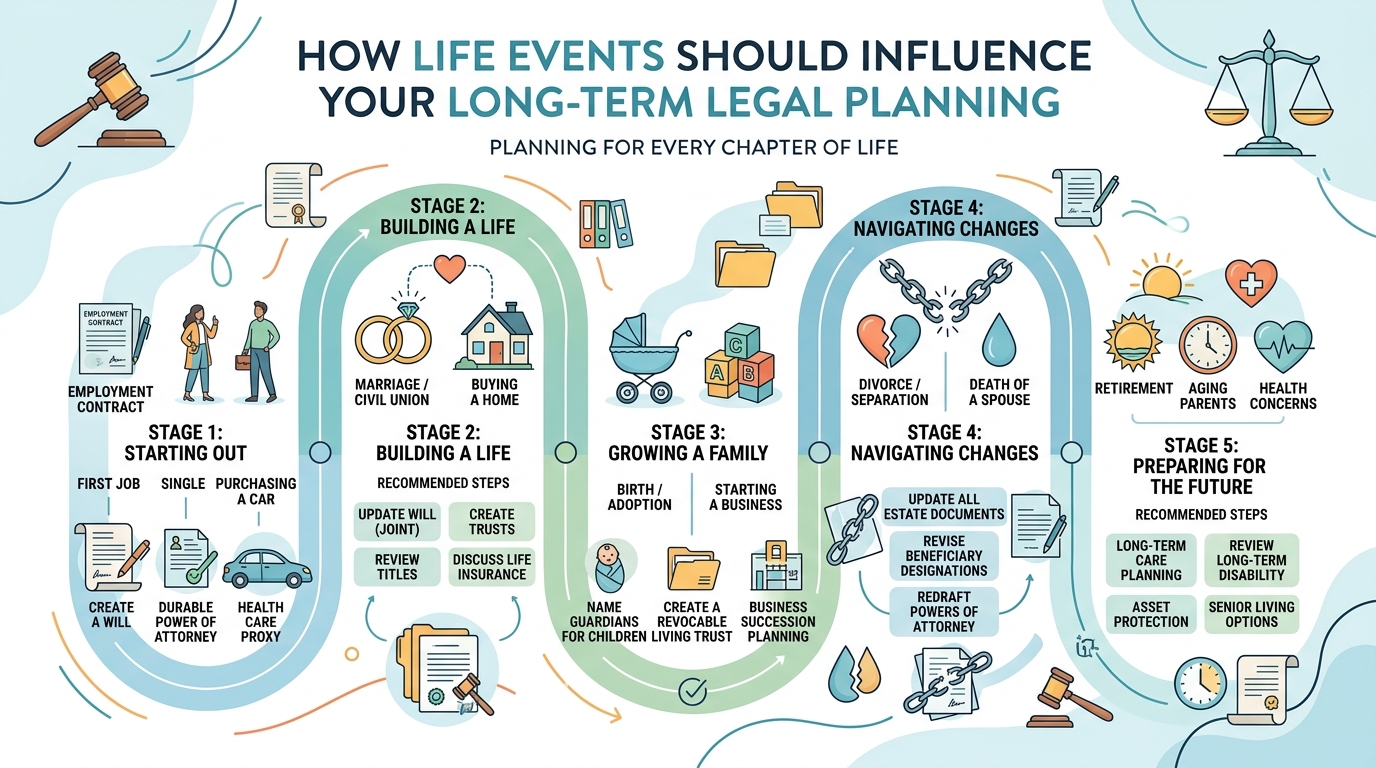
Life is constantly evolving, and major milestones often bring significant changes to your financial, personal, and legal responsibilities. While many people focus on the emotional and financial aspects of these transitions, they often overlook the importance of updating their legal plans. Whether you are getting married, welcoming a child, starting a business, or preparing for retirement, each stage of life can have a lasting impact on your legal affairs.
Working with a trusted Minnesota Law Firm can help individuals and families ensure their legal documents remain aligned with their goals and circumstances. Long-term legal planning is not a one-time task; it is an ongoing process that should adapt as life changes.
Why Long-Term Legal Planning Matters
Long-term legal planning helps protect your assets, loved ones, healthcare wishes, and financial interests. A comprehensive legal plan often includes wills, trusts, powers of attorney, healthcare directives, and other important documents.
Without regular updates, these documents may no longer reflect your current situation. As a result, your family could face unnecessary legal complications, financial burdens, or disputes during difficult times. Reviewing your legal plan after major life events helps ensure your wishes remain clear and legally enforceable.
Marriage and Legal Planning Considerations
Marriage is one of the most significant life events that should trigger a review of your legal documents. Combining finances, acquiring shared assets, and establishing new family responsibilities can affect many aspects of your legal plan.
After marriage, it is important to:
- Update beneficiaries on insurance policies and retirement accounts.
- Revise your will to include your spouse.
- Consider creating or updating powers of attorney.
- Evaluate asset ownership structures.
- Review any existing trusts.
Taking these steps can help ensure your spouse is protected and your assets are distributed according to your intentions.
The Importance of Planning After Having Children
The birth or adoption of a child introduces new responsibilities that should be reflected in your legal planning strategy. Parents often focus on providing financial security, but legal protection is equally important.
Key considerations include:
- Naming legal guardians in your will.
- Establishing trusts for minor children.
- Reviewing life insurance coverage.
- Updating healthcare directives and powers of attorney.
- Creating financial plans for future educational expenses.
Without proper legal planning, decisions regarding guardianship and asset management may be left to the courts, which may not align with your preferences.
How Divorce Can Affect Your Legal Documents
Divorce often requires a comprehensive review of existing legal arrangements. Many people forget to update critical documents after ending a marriage, which can create serious complications later.
Following a divorce, consider reviewing:
- Wills and trusts.
- Beneficiary designations.
- Powers of attorney.
- Healthcare directives.
- Property ownership records.
Failing to make these updates could result in unintended individuals retaining authority over important decisions or receiving assets that no longer align with your wishes.
Business Ownership and Legal Planning
Starting or expanding a business introduces additional legal responsibilities. Business owners should ensure that personal and business legal plans work together effectively.
Important planning steps may include:
- Creating succession plans.
- Establishing buy-sell agreements.
- Protecting business assets.
- Updating estate planning documents.
- Reviewing liability protection strategies.
A well-structured legal plan can help ensure business continuity and minimize disruptions for employees, partners, and family members in the event of unexpected circumstances.
Planning for Major Financial Changes
Significant financial events can dramatically impact your legal planning needs. Receiving an inheritance, purchasing real estate, selling a business, or accumulating substantial investments may require updates to your legal documents.
Regular reviews can help:
- Protect newly acquired assets.
- Reduce potential tax burdens.
- Ensure proper asset distribution.
- Strengthen creditor protection strategies.
- Align financial goals with legal objectives.
As wealth grows, legal planning becomes increasingly important for preserving and transferring assets efficiently.
Retirement and Aging Considerations
Retirement often marks a transition from wealth accumulation to wealth preservation. This stage of life presents unique legal challenges that should not be overlooked.
Retirees should regularly review:
- Healthcare directives.
- Long-term care planning options.
- Asset distribution strategies.
- Powers of attorney.
- Trust structures and beneficiary designations.
Planning ahead can provide peace of mind and help ensure your healthcare and financial decisions remain under your control, even if circumstances change in the future.
Why Regular Legal Reviews Are Essential
Many people create legal documents and then forget about them for years. However, laws change, financial situations evolve, and family dynamics shift over time.
A good rule of thumb is to review your legal plan:
- After major life events.
- Every three to five years.
- Following significant financial changes.
- When state or federal laws change.
- If your personal goals or family structure evolve.
Regular reviews can help identify gaps and ensure your documents remain effective and legally compliant.
Creating a Flexible Legal Strategy for the Future
Long-term legal planning is most effective when it is designed to adapt to changing circumstances. Rather than viewing legal planning as a one-time project, consider it an ongoing strategy that evolves throughout your life.
Working closely with an experienced Estate Planning Attorney Minnesota can help you navigate complex legal decisions and keep your plans aligned with your current needs. Professional guidance can also help reduce risks and provide clarity for your loved ones during important transitions.
Conclusion
Life events have a profound impact on your legal responsibilities and future goals. Marriage, children, divorce, business ownership, financial growth, and retirement all create opportunities to strengthen your legal plan and protect what matters most. By regularly reviewing and updating your legal documents, you can ensure that your wishes remain clear, your assets stay protected, and your loved ones are prepared for whatever the future may bring. Long-term legal planning is not just about preparing for the unexpected—it is about creating confidence and security for every stage of life.
You May Also Like: How Business Structure Choices Influence Everyday Financial and Legal Responsibilities